H2: المخاطر المنهجية لسلسلة انقطاع الكهرباء وتفريغ البطارية العميق في حواف الاتصالات عبر الحدود
في تخطيط الهندسة لشبكات الاتصالات عبر الحدود في جميع أنحاء الشرق الأوسطالمحطات اللاسلكية الحافة المنتشرة عبر الصحاري الواسعة أو الحدود النائية غالبا ما تتعامل مع ظروف الشبكة الشديدةشبكات الطاقة المحلية الضعيفة، درجات حرارة متطرفة مستمرة تتجاوز 55 درجة مئويةو العواصف الرملية المفاجئة تسبب انقطاعاً كاملاً متكرراً وغير متوقع للغاية على هذه المنشآت.
عندما تعاني الشبكة الرئيسية من انهيار كارثي أو فشل الكتلة الشمسية الهجينة خارج الشبكة بالكاملنظام الطاقة المشتركة يستخدم فقط آلية انقطاع منخفضة الجهد مرحلة واحدة سوف تفرض أحرجهذا التوزيع غير المكرر للطاقة يقدم خطراً نظاميين: أولاً،الأحمال الطرفية غير الأساسية مثل إضاءة المأوى، وسلسلة القياس عن بعد البيئية، ودورات العودة الثانوية سوف تستنفد بسرعة احتياطيات الطوارئ المتميزة لبنك البطارية،مما يسبب تحطم أساسي لأجهزة الراديو الخلوية الكبرى 4G / 5G وبوابات النقل الدولي قبل الأوانثانيا، إذا كانت تأخيرات التزود بالوقود المعقدة من الناحية اللوجستية تطيل انقطاع التيار، فإن سلاسل البطارية غير المحمية ستعاني من تجويع التفريغ العميق. وهذا يضر بالمواد النشطة في الخلية الداخلية،مما يؤدي إلى خفض عمر البطاريات الصناعية باهظة الثمن أو تدمير الكهرباء في جميع أنحاء موقع المحطة.
H2: دليل اختيار مصادر الطوبولوجيا المتواصلة المتكاملة 5U 19 بوصة مع فصل متعدد المراحل
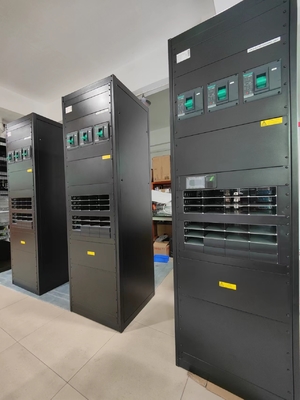
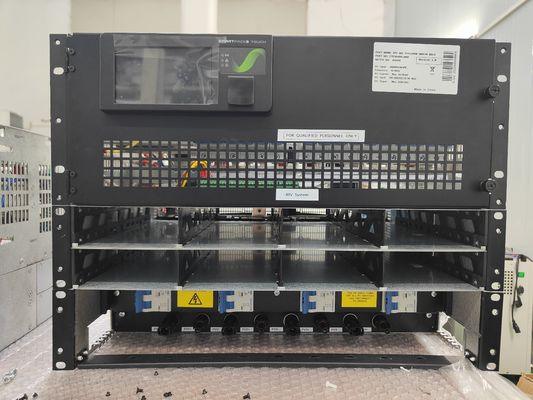
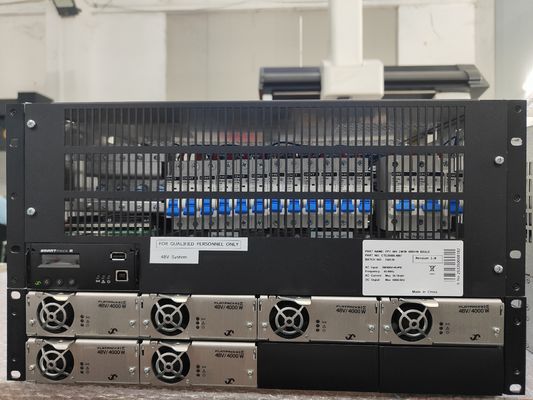
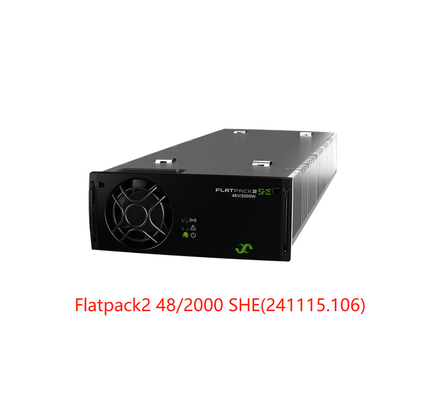
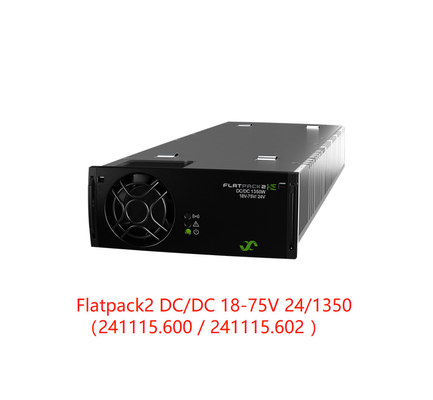
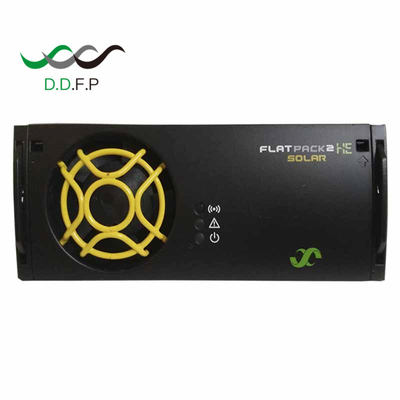
لتخفيف انقطاع التيار بشكل استباقي وحماية البنية التحتية لخدمات الاتصالات الأساسية،يجب على مديري المشتريات B2B تحديد إمكانيات "قطع التوصيل منخفض الجهد" كمقاييس بارمترية غير قابلة للتفاوض عند تقييم محطات توليد الطاقة المتكاملة، مثل الهيكل القياسي المثبت على الرف عالي 5U 19 بوصة على أساس بنية Eltek Flatpack2.يجب أن تلتزم مواصفات هندسة النظام القياسية بدقة بمعايير الحماية المتداخلة التالية::
H3: 1 ، معايير فصل القلب المتداخلة والحجم المحدد لقطع الدوائر
- الحماية من الأصول الأساسية: يجب أن يحتوي هيكل نظام توزيع الكهرباء على رابط داخلي لقطع الحمل منخفض الجهد 300A (LVLD1).عند استشعار أن الجهد في شريط الحافلة المتردد قد انخفض إلى عتبة الأمان الأولية (e.g، -46.0 VDC) ، يجب أن تعمل الأجهزة على الفور، وإلقاء العقد الحاسوبية حافة غير حرجة،و الأجهزة المساعدة للحصول على ساعات من وقت البقاء على قيد الحياة للمدارات الاتصالات الأساسية.
- إزالة الحمل منخفضة الجهد 2 (LVLD2) تخصيص ميزانية اختيارية: يجب أن تتضمن مقاييس التوريد حلقة مقطعة 150A خفضة الجهد لقطع الاتصال 2 (LVLD2) اختياريًا. يوفر هذا طبقة ثانوية من التأخير في التخلص من روابط النقل الميكروويفية المتوسطة المستوى ،تمكين الميزانية الكبيرة للطاقة خلال انقطاع الطاقة الممتد.
- فصل بطارية الجهد المنخفض (LVBD) أساسية السلامة النهائية: يجب أن تتطلب فواتير المواد التقنية مصابًا بجهاز اتصال بطارية منخفضة الجهد (LVBD) بقوة 300A أو 500A.بمجرد أن يتم إخلاء سلك البطارية من سعة الاحتياطي الآمنة وتسقط شريط الحافلة المتردد إلى عتبة السلامة الكيميائية الحرجة (عادة ما يتم تكوينها عند -43.2 VDC) ، يجب أن يؤدي رابط LVBD العزل الميكانيكي الكامل في غضون ميلي ثانية للقضاء على تدهور التفريغ العميق في المصدر.
H3: 2 الواجهات الكهربائية الفيزيائية والمعايير الحرارية عالية الحرارة
- تعديل الطرق المتعددة: The load-side power distribution panel must natively support standard 18mm or 27mm DIN rail circuit breaker footprints to ensure effortless interoperability with international multi-vendor telecom chassis drawing varied amperages (A).
- الحواجز المادية والعزلة الصلبة: تتطلب البنية التحتية لمواصلة التيار الموحد أجهزة حماية من التيار الموحد من النوع 2 (DC SPDs) القياسية ، جنبا إلى جنب مع مفكّكات الدوائر القوية D-frame plug-in على جانب البطارية.هذا التكوين الأجهزة يمنع التعب الحراري الميكانيكي وفشل الحماية عند تعرضها لالتغيرات الشديدة في درجة حرارة الصحراء ليلا ونهارا تتراوح من -40 درجة مئوية حتى +55 درجة مئوية.
H2: الانتقال إلى طبقات التحكم الذكية لتحسين فصل الطاقة المتدرجة
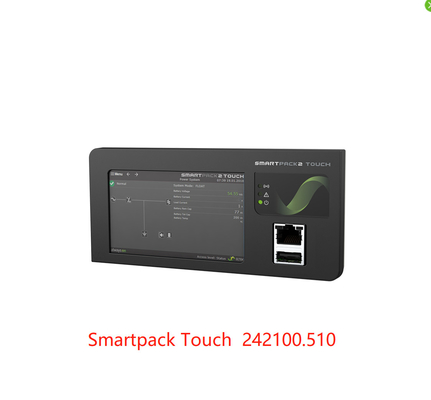
وسط المصفوفات التشغيلية المعقدة لشبكات الاتصالات الدولية، يجب تحسين عزل الأجهزة السلبية من خلال المنطق الرقمي القابل للتكيف للغاية.جهاز التحكم Smartpack2 Touch المدمج في هذه الهندسة المعمارية المتكاملة 5U، تعمل جنبا إلى جنب مع أجهزة مراقبة الإدخال والخروج الأساسية والنوع 2 ، وتوفر دماغ معالجة موثوق للغاية للتخفيف من انقطاع المناطق الواسعة.
يمكن لمهندسي الشبكات المتمركزين على بعد مئات الكيلومترات في مراكز العمليات المركزية تسجيل الدخول إلى النظام بشكل آمن باستخدام روابط إيثيرنت الأصلية على متن الطائرة ومتصفح الويب القياسي.هذا الوصول عن بعد يسمح للمهندسين بتعديل ديناميكي لمستويات الجهد المحددة لقطع الاتصال وبارامترات تأخير الوقت لـ LVLD1، LVLD2، و LVBD حلقات على أساس محلي البطارية الكيميائية الملفات الشخصية بما في ذلك توقيعات تفريغ متنوعة عبر VRLA، جيل، أو الليثيوم التكوينات. This digital global coordination maximizes runtime for high-value trans-border nodes while eliminating the massive operational expenses (OPEX) tied to dispatching emergency heavy-duty maintenance trucks or helicopters into desert terrains، وتوفير توافر الشبكة المطلقة على مستوى الناقل.


 يجب أن تكون رسالتك بين 20-3000 حرف!